




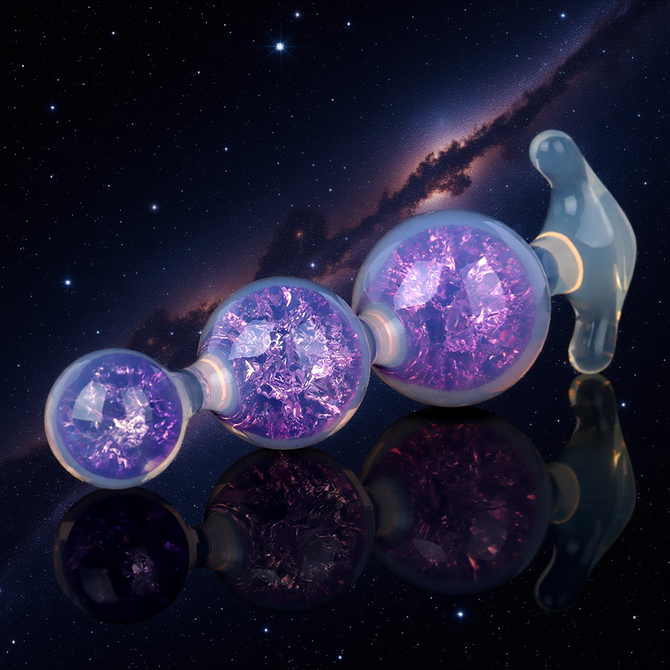
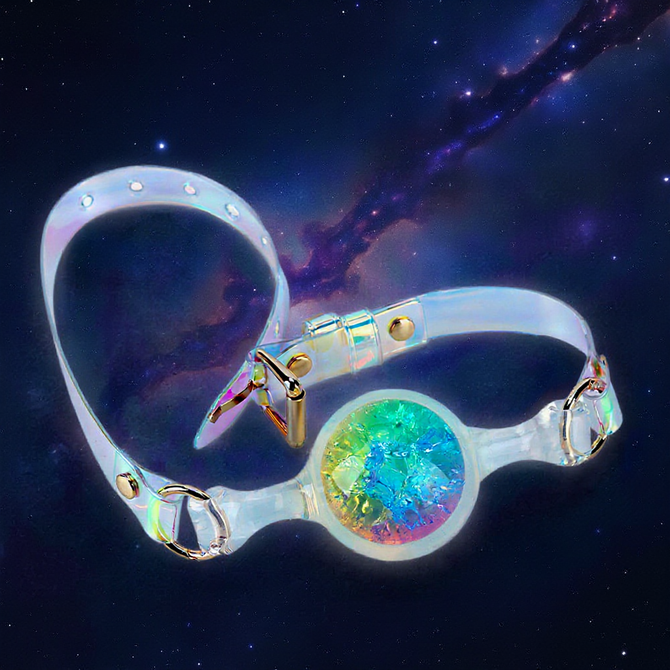

When it comes to sexual wellness products, what they’re made of is just as important as how they’re used. Many people assume that all sex toys on the market are made of safe, non-toxic materials. Unfortunately, that isn’t always the case. In fact, a significant number of sex toys – especially cheaper, “jelly” or rubber ones – contain potentially harmful chemicals. Chief among these are phthalates, a group of chemical plasticizers used to soften PVC plastic. Over the years, health experts have raised alarms about phthalates and other toxins in sex toys, and consumers are increasingly seeking out phthalate-free sex toys made from body-safe materials. In this blog, we’ll explore what phthalates are, the health risks they pose, why choosing non-toxic, body-safe sex toy materials matters, and how to ensure your pleasure doesn’t come with hidden toxins.
What Are Phthalates, and Why Are They in Sex Toys?
Phthalates (pronounced “tha-lates”) are a family of chemicals widely used to make plastics more flexible and soft. They’re commonly added to polyvinyl chloride (PVC) plastic – the type of plastic that many cheap, soft “jelly” sex toys are made of – to give it a squishy, rubbery feel. Phthalates are everywhere in modern life, found in products ranging from vinyl flooring and shower curtains to cosmetics and children’s toys. Unfortunately, they also made their way into adult toys. Manufacturers of low-cost sex toys have historically used phthalates because they are inexpensive and effective at softening plastics.
The problem is that phthalates don’t chemically bond to the plastic; instead, they exist as additives that can leach out over time. If you’ve ever opened a new vinyl or rubber sex toy and noticed a strong “plastic” or chemical smell, that’s a red flag – you’re likely smelling phthalates or other volatile compounds escaping. Phthalate-laden toys may also feel oily or “wet” to the touch out of the box, another sign of these chemicals seeping out. These substances can transfer from the toy to your body during use, especially when they come into contact with sensitive mucous membranes.
Back in 2006, environmental organization Greenpeace decided to investigate just how prevalent phthalates were in adult toys. Their tests on a variety of dildos and vibrators revealed a shocking result: seven out of eight tested sex toys contained phthalates in concentrations between 24% and 51% of the toy’s weight. These are extremely large concentrations for a toxic chemical — by comparison, the European Union had already banned a phthalate (DEHP) above 0.1% in children’s toys due to health concerns. Yet in adult products, which often come into direct contact with internal tissues, such restrictions were (and in many places still are) nonexistent due to these items being classed as “novelties” rather than medical devices.
Health Risks of Phthalates and Toxic Materials
So why exactly are phthalates dangerous? Phthalates are known as endocrine disruptors, meaning they can interfere with our hormone systems. Research indicates that ongoing exposure to certain phthalates can disrupt the body’s hormonal balance and potentially lead to reproductive health issues or developmental problems. Greenpeace’s report noted that phthalate exposure could damage reproductive organs and even cause liver and kidney defects in lab animals. In humans, scientists have linked phthalate exposure to issues like decreased fertility in men, developmental abnormalities in infants (when mothers are exposed during pregnancy), and possible connections to conditions such as asthma, obesity, and type 2 diabetes. Although research is ongoing, there is broad agreement in the medical community that minimizing contact with these chemicals is wise – particularly in products that are used inside our bodies.
Beyond the long-term chronic health risks, there are also more immediate concerns. Users of toxic sex toys have reported symptoms like burning, itching, irritation, or even pain after use. These can be signs that the material is reacting with your body – either due to allergic reactions (for example, some people have latex allergies with rubber toys) or due to chemical leaching. In extreme cases, people using jelly toys with high phthalate content have experienced headaches or nausea, likely from inhaling the strong chemical fumes or from absorption of the chemicals through sensitive tissues. Clearly, these are not sensations anyone wants associated with intimate products.
Alarmingly, recent research shows that the issue of toxins in sex toys has not disappeared. A scientific study published in 2023 found that several types of sex toys (including vibrators and anal toys) contained measurable levels of phthalates – in some cases exceeding the safety limits set for children’s products in the U.S. and EU – and even some items labeled “phthalate-free” were found to contain these chemicals. The same study also noted that these toys can shed microscopic plastic particles as they wear down. All of this underscores that consumers still need to be vigilant about material safety when it comes to choosing sex toys.

Why Aren’t Toxic Toys Regulated or Banned?
Given the health risks, you might wonder: why are products containing known toxins even allowed to be sold? The answer comes down to regulatory gaps and historical stigma. In many countries, sex toys aren’t regulated by agencies like the FDA in the same way as medical devices or children’s toys. They’re often categorized as “novelty” items, which means manufacturers aren’t required to undergo rigorous safety testing for materials. This loophole allowed many unsafe materials to flood the market for years. Only recently, thanks to consumer advocacy and increased awareness, have some retailers and brands voluntarily adopted higher standards – advertising their products as “body-safe” or “phthalate-free.”
There has been some progress internationally. The European Union banned several specific phthalates (DEHP, DBP, BBP, DINP, etc.) from children’s toys and childcare products over a decade ago, and countries like Canada and the U.S. have set limits for phthalates in items like baby products. However, adult toys have largely slipped under the radar of legislators. It often takes public pressure and watchdog groups to drive change. For example, after Greenpeace publicized their findings in 2006, it prompted discussions in the industry and many manufacturers quietly began removing phthalates from their products. But without comprehensive laws, it’s still “buyer beware.” As one sex toy safety advocate bluntly put it, nothing stops a company from mislabeling a toy’s material – so it’s up to consumers to buy from trusted sources and educate themselves on safe materials.
Body-Safe Materials: Phthalate-Free Sex Toys and More
The good news is that you don’t have to give up your toys – you just need to choose the right materials. Body-safe sex toys are those made from materials that are non-toxic, non-porous, and free of harmful chemicals like phthalates, BPA, or latex (in the case of those with allergies). These materials do not leach nasty chemicals and can be fully cleaned and sterilized, making them safe for intimate use. Here are some of the top non-toxic sex toy materials to look for:

-
Medical-Grade Silicone: Silicone is a superstar in the sex toy world – it’s soft, flexible, and very durable. High-quality medical or platinum-grade silicone is completely phthalate-free, hypoallergenic, and non-porous. This means it won’t harbor bacteria and can be boiled or bleached to sanitize. Always ensure the toy is labeled as 100% silicone (some cheap toys might claim “silicone” but actually be blends – stick to reputable brands). Silicone toys can range from velvety-smooth vibrators to realistic-feel dildos.
-
Borosilicate Glass: Glass toys might sound intimidating, but they are prized for their smoothness and firmness. Borosilicate glass (the same type of glass used in high-quality bakeware) is non-porous, body-safe, and contains no harmful chemicals. It’s completely odorless and can be heated or cooled for temperature play. Plus, glass is very easy to clean (just use soap and water, or even put it in the dishwasher) and won’t degrade over time. Always confirm it’s borosilicate (a durable glass that won’t shatter) when buying a glass toy.
-
Stainless Steel and Other Metals: Metal toys, often made from medical-grade stainless steel or safe aluminum alloys, are another excellent option. They are heavy, slick, and can provide a very different sensation due to their weight and firmness. Like glass, metal toys are non-porous and can be fully sterilized. Just make sure the metal is high-quality (rust-proof and nickel-free to avoid any irritation). Avoid unknown “mystery metal” toys which might contain unsafe alloys – stick to trusted brands for metal items.
-
Hard ABS Plastic: Not all plastics are bad. ABS plastic is a rigid plastic that is non-porous and typically free of additives like phthalates. You’ll often find bullet vibrators or the firm casing of vibrators made from ABS. It’s smooth to the touch and safe for the body. While ABS toys are hard (not flexible), they’re a good phthalate-free, budget-friendly choice and also compatible with all types of lubricants.
-
Other Safe Materials: There are other materials occasionally used for body-safe toys, such as wood or ceramic (when properly sealed with non-toxic finishes), or newer polymer blends that are explicitly labeled as phthalate-free and body-safe. If you’re exploring these less common materials, be sure the manufacturer clearly states their safety and any care instructions. For instance, wood toys should have a medical-grade lacquer coating, and ceramic or stone toys should be high-fired and smooth (no cracks or chips).
By choosing toys made of the above materials, you eliminate the risk of phthalates and greatly reduce exposure to other potential toxins. These materials also tend to last much longer without breaking down, meaning your investment in a quality toy pays off in longevity.
Materials to Avoid: What Makes a Toy “Toxic” or Unsafe?
We’ve touched on it already, but let’s recap some common sex toy materials that are considered unsafe or questionable:
-
Jelly Rubber or PVC: These are the soft, squishy toys often sold at low prices. They almost always contain phthalates or similar chemical softeners, and they often have that telltale strong plastic odor. Jelly and PVC toys are usually very porous as well, meaning they can trap bacteria and cannot be fully sanitized. It’s best to avoid these entirely for anything other than perhaps novelty use.
-
“Silicone Blends” or Mystery Materials: If a toy is advertised as a “silicone blend” or just vaguely as “real feel” material without specifics, be cautious. This often means it’s mixed with cheaper plastics or rubber. It might have some silicone content, but could also contain phthalates or other unknown additives. Always look for toys that clearly state they are made of known body-safe materials rather than using only a marketing term.
-
Latex Rubber: While natural latex isn’t a toxic synthetic chemical like phthalates, it can cause allergic reactions in many people and is somewhat porous. Some inexpensive rubber toys (like older-style dildos or sleeves) might be made of latex. If you’re not allergic and you do use latex toys, be sure to cover them with a condom for easier cleaning and to avoid any potential irritation from the material.
-
Polyurethane “Real Skin” Foams: Some masturbation sleeves or toys that boast an ultra-realistic skin feel are made of porous, foam-like elastomers. These are very difficult to clean thoroughly and can break down relatively quickly. Many newer formulations are phthalate-free, but they still can harbor bacteria due to their porous nature. If using them, understand they have a shorter lifespan and require diligent cleaning (and complete drying) to prevent mold or bacterial growth.

A good rule of thumb: if a toy has a strong odor out of the package, or if it leaves an oily residue on your fingers, it’s likely not safe. Also, if the packaging has a suspicious disclaimer like “For novelty use only” instead of mentioning body-safe materials, that’s a clue that the manufacturer isn’t confident in its safety. Reputable companies will proudly state that their products are phthalate-free or will list the exact materials (e.g., “100% silicone”) because they know consumers care about this.
Tips for Choosing and Caring for Phthalate-Free Sex Toys
How can you be sure you’re picking a safe product? Here are some quick tips to ensure material safety for your next purchase:
-
Buy from Trusted Retailers/Brands: Shop with retailers known for carrying only body-safe toys, or buy directly from brands that have a good reputation for quality. Stores that advertise body-safe selections (often feminist-owned or sexual health-focused shops) make it part of their mission to vet materials. If you’re browsing on a large online marketplace, do a bit of research on the brand or seller to see if they mention material safety.
-
Read the Product Description: Look for keywords like “medical-grade silicone,” “phthalate-free,” “BPA-free,” or “non-porous” in the description or on the packaging. If a product listing doesn’t disclose the material at all, that’s a red flag. Transparency is key. The best manufacturers will tell you exactly what the toy is made of because they know it’s a selling point.
-
Do the Smell Test and Inspect: When you first open a new toy, give it a sniff. A mild scent (or just a “new product” smell) is normal, but a strong chemical odor is a good indicator that cheap, unsafe materials were used. Also examine the surface; if it feels greasy or sticky and leaves a film on your hand, be wary. These signs might prompt you to return the item.
-
Check Reviews or Ask the Community: Often, other users will share if a toy had a bad smell, caused irritation, or didn’t match its material claims. Sex toy review blogs and online forums (for example, subreddits like r/SexToys) can be great resources. See if others have tested the same product or if the brand has a known track record (good or bad) regarding material safety.
-
Care for Your Safe Toys Properly: Once you own some great phthalate-free, body-safe toys, extend their life (and maintain their safety) by cleaning and storing them correctly. Non-porous toys (silicone, metal, glass, ABS plastic, etc.) can be washed with mild soap and warm water after each use. Many can also be boiled for a few minutes or cleaned with a 10% bleach solution to fully sanitize (always check the manufacturer’s instructions first). Make sure toys are completely dry before storing them, and store them in a clean container or pouch. It’s best to keep different toys separated (especially soft materials) so they don’t react with each other. Taking care of your toys ensures they stay in top condition and don’t degrade or develop surface issues over time.
Conclusion: Safe Pleasure is the Best Pleasure
Your sexual wellness and health should never take a backseat. The intimate products you use ought to enhance pleasure without introducing worry or risk. Understanding material safety – knowing about phthalates and which materials are safe – empowers you to make better choices. By opting for phthalate-free sex toys made from body-safe materials, you can enjoy peace of mind along with your pleasure. There’s a growing market of fantastic, non-toxic toys out there, from sumptuous silicone vibes to elegant glass and steel wands, so there’s no need to compromise.
In summary, always be an informed consumer: pay attention to what your toys are made of, seek out quality products, and don’t hesitate to ditch any item that seems suspect. Your body is worth it! With the right knowledge, you can keep the thrills while avoiding the ills. Happy (and safe) exploring!


