




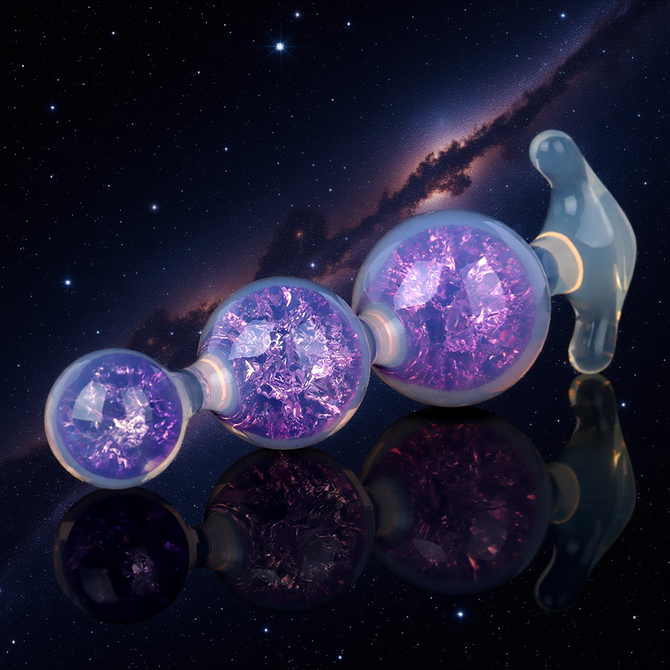


It’s an unfortunate reality in many bedrooms: men tend to climax far more often than women during heterosexual sex. This discrepancy is known as the orgasm gap, referring to the unequal frequency of orgasm between partners (typically between men and women) during sexual encounters. In other words, women are climaxing less frequently than their male partners – a gap that has been well documented by researchers. For example, a large study found that 95% of heterosexual men usually or always orgasm during sex, whereas only about 65% of heterosexual women do. This pleasure disparity isn’t because women don’t enjoy sex or can’t orgasm; rather, it’s rooted in how we approach sex and whose pleasure is prioritized.
The orgasm gap is a major factor in unequal sexual satisfaction within couples. When one partner routinely misses out on orgasm, it can lead to frustration, lower self-esteem, and even a resigned expectation that “that’s just how it is.” In fact, researchers warn that this gap has serious implications for women’s pleasure, empowerment, and overall well-being. The good news is that this gap is not inevitable – and one effective way to start closing the gap is by embracing tools designed to boost female pleasure. In this blog, we’ll explore why the orgasm gap exists and how introducing sex toys can help level the playing field, bringing more women's pleasure and satisfaction to all.
What Is the "Orgasm Gap" and Why Does It Exist?
The term “orgasm gap” (also called the pleasure gap) describes the consistent finding that men orgasm more often than women in heterosexual encounters. Across many studies and surveys, women report reaching orgasm less frequently than their male partners. This gap isn’t due to any lack of capability on women’s part – biologically, women are just as capable of orgasm. So why the disparity?
Lack of Clitoral Stimulation: One key reason is the lack of adequate clitoral stimulation during typical partnered sex. The clitoris is often called the powerhouse of female orgasm; it contains around 8,000 nerve endings (about double that of the penis tip) and its sole purpose is to provide pleasure. Yet, many common sexual scripts focus on penetration (penis-in-vagina intercourse) as the main act, which unfortunately does not reliably stimulate the clitoris. It’s no surprise then that fewer than 10% of women can orgasm from penetration alone – most women require direct or indirect clitoral stimulation to climax. When sex is centered only on a man’s thrusting and eventual ejaculation, the woman’s most sensitive organ may be getting insufficient attention. This physiological reality helps explain why women's pleasure often lags behind in heterosexual encounters.
Cultural Expectations and Misinformation: Cultural norms have historically prioritized male pleasure and viewed the male orgasm as the natural “end” of sex. For centuries, myths abounded that female orgasm was unimportant or even nonexistent – from outdated ideas that women were not sexual beings, to Sigmund Freud’s erroneous claim that only vaginal orgasms were “mature.” Such attitudes led to generations of ignorance about the clitoris and female pleasure. Even today, sex education and media often reinforce a one-sided script: foreplay as an optional prelude, intercourse as the main event, and sex concluding when the man finishes. If women don’t climax within that narrow script, they’re often left unsatisfied. Many women have felt pressure to fake orgasms rather than speak up, further masking the issue. These ingrained scripts and misconceptions have contributed greatly to the orgasm gap.
Communication Gaps and Self-Silencing: Another factor is that couples sometimes struggle to communicate openly about what they need in bed. Women may feel embarrassed or fear hurting their partner’s feelings, so they might not voice that they need more clitoral stimulation or a different technique to reach orgasm. Some women even internalize the idea that something is “wrong” with them if they can’t climax from intercourse alone – which is absolutely not true. Over time, lack of communication can make it seem like the woman’s lesser satisfaction is just the status quo. Unfortunately, research shows that when women orgasm less frequently, they may start to expect and desire less from their sexual experiences, creating a cycle of lowered expectations. This means a woman who rarely orgasms with her partner might begin to view orgasm as a “bonus” rather than a standard part of sex, further normalizing the gap. Clearly, breaking this cycle requires honest conversation and a shift in focus toward her pleasure.
It’s Not Biological Inevitability: It’s important to stress that the orgasm gap is not because women’s bodies are incapable of orgasm or “too complicated.” In fact, when the conditions are right, women can orgasm just as readily as men. Consider that in solo situations, women have orgasm rates comparable to men. Surveys show that 39% of women always reach orgasm when masturbating, compared to only 6% who always do during partner sex. And lesbian couples report much smaller (or negligible) orgasm gaps than heterosexual couples because their sexual activities typically prioritize clitoral stimulation and mutual pleasure. All of this evidence tells us that the female body is plenty orgasm-capable – the gap persists due to how we have sex (technique, focus, communication), not some innate flaw in women. This is actually encouraging, because it means we can change our approach to sex and close the gap through better understanding and tools.

Why Closing the Orgasm Gap Matters
Narrowing the orgasm gap isn’t just about tallying orgasms; it’s about equality, happiness, and sexual satisfaction for both partners. When one partner (usually the woman) is consistently left unsatisfied, it can take a toll on her confidence and the relationship’s overall intimacy. Every person deserves to experience pleasure and climax if they want to. As social psychologist Grace Wetzel puts it, the orgasm gap impacts women’s pleasure, empowerment, sexual satisfaction, and even general well-being. It’s fundamentally a matter of gender equity in the bedroom. Imagine if, in most meals together, one person always got a full dessert and the other got only a bite – over time, the one missing out would feel pretty frustrated! In the same way, consistently missing out on orgasm can lead women to feel less fulfilled and even less valued in their intimate lives.
Closing this gap can improve relationship satisfaction as well. Research indicates that couples with more balanced orgasm rates report higher overall relationship happiness and sexual intimacy. When both partners are enjoying sex to the fullest, it creates a positive feedback loop – one where the woman’s pleasure is valued just as much as the man’s. Many men also report greater enjoyment when they know their partner is genuinely satisfied; there’s a special intimacy and ego boost in mutually pleasurable experiences. By striving for orgasm equality (sometimes called orgasm equity), couples reinforce that sex is about shared enjoyment and connection, not a one-sided experience. Ultimately, closing the orgasm gap isn’t about keeping score – it’s about ensuring that both partners feel good, cared for, and satisfied. That benefits everyone involved.
Bridging the Gap with Sex Toys: A Game Changer for Women’s Pleasure
So, how can we start closing this orgasm gap? One proven strategy is to bring in some fun tools designed specifically to enhance female pleasure: sex toys. In recent years, sex toys – especially vibrators – have moved into the mainstream and become a normal part of many adults’ sex lives. In fact, surveys show that over half of women have a vibrator in their nightstand. The global sex toy market has exploded into a $15+ billion industry, largely driven by a focus on women’s pleasure and sexual wellness. This normalization of sex toys is great news for couples looking to level the pleasure playing field. There’s no reason to feel shy or ashamed about using a little buzzing gadget – these toys are simply tools to help people feel good. And when it comes to bridging the orgasm gap, they can make a remarkable difference.

How Sex Toys Boost Female Orgasm: The primary benefit of incorporating sex toys is that they can provide consistent, targeted stimulation that might be difficult to achieve through manual touch or intercourse alone. For example, a vibrator can directly stimulate the clitoris during penetration, something that is nearly impossible to do with just body parts in the usual positions. Even the most attentive partner can get tired or be unable to maintain the exact speed or pressure a woman needs – but a vibrator never gets weary and can be set to her preferred intensity. Many vibrators are specifically engineered to help women orgasm more easily: from classic external bullet vibes to high-tech clitoral suction devices that simulate gentle sucking on the clitoris. These gadgets exist for a reason – to help more women climax! As one medical expert noted, modern clitoral-focused sex toys are helping women achieve regular orgasms and effectively bridge the orgasm gap. In short, vibrators and similar toys can give the clitoris the consistent attention it often needs, greatly increasing the odds that the female partner will orgasm during a sexual encounter.
Sex Toys in Couples – Enhancing, Not Replacing: Some people (men in particular) might initially feel a bit intimidated by the idea of using a vibrator or other sex toy during partner sex. There’s a lingering misconception that a toy might “replace” the partner or that the partner isn’t good enough if a gadget is involved. In reality, a vibrator is not a replacement for intimacy – it’s an enhancement. Think of it as bringing a useful tool into the bedroom to maximize pleasure for both of you. Using a vibrator together can actually be a very intimate, teamwork experience. The toy becomes an extension of your combined sexual repertoire. For instance, a man can hold a small vibrator against his partner’s clitoris during intercourse, allowing him to feel the vibrations too, so both share in the sensation. Or a couple can use a couples’ vibrator (a device designed to be worn during sex, stimulating both partners simultaneously) or a vibrating ring that goes around the penis and adds extra stimulation with each movement. Far from distancing partners, these toys often bring couples closer by ensuring the woman is feeling just as much pleasure – which, in turn, makes the whole experience hotter and more satisfying for the man as well.
It’s worth noting that women who already use toys in solo play might have an easier time reaching orgasm with a toy than without. If that’s the case, inviting her favorite vibrator into your shared sex life can be a game changer. Rather than viewing it as “competition,” consider the vibrator an ally that can help you as a couple achieve the goal of mutual satisfaction. After all, if the end result is that your partner experiences mind-blowing orgasms and you get to witness and participate in that joy, it’s a win-win! Many modern men are embracing this perspective, which is helping to dispel the old stigma. As sex therapist Dr. Laurie Mintz emphasizes, the real issue behind the orgasm gap is cultural ignorance of the clitoris and women’s needs – and sex toys directly address that by giving the clitoris its due attention. When you use a toy to make sure she comes, you are prioritizing women’s pleasure, which is exactly what closes the gap.
Choosing the Right Toy: If you’re new to sex toys, the options can feel endless (and a bit overwhelming). A good starting point for couples is a small external vibrator like a bullet vibrator – these are non-intimidating, usually inexpensive, and easy to incorporate during foreplay or intercourse (just press it against the clitoral area with a bit of lubricant, and let the vibrations enhance everything). Another popular choice is a vibrating ring that a man wears on his penis; it provides extra stimulation to the clitoris during intercourse with each thrust, helping her climax without any extra effort from either partner. For those looking to invest in pleasure, dual-stimulation vibrators (like the famous “rabbit” vibes) stimulate internally and externally at the same time, and can be used during partnered play (for example, during oral sex or as part of foreplay). Recently, air pulse (suction) stimulators have gained fame – these devices don’t vibrate but instead use gentle air pulses to stimulate the clitoris in a way that many women find incredibly effective. There are also couples’ vibrators that the woman can wear during intercourse, designed so both can feel the vibrations. The key is to communicate and experiment together to find what you both enjoy. Shopping for a toy as a couple can be a fun adventure in itself – you can browse online stores together or visit a boutique to see what piques both your interests.
When introducing a toy, frame it as something exciting to try together, not as a fix for someone’s “failing.” For instance, you might say, “I love when you feel good, and I heard some couples use vibrators – want to try this together and see how it feels for you?” Emphasize that it’s about both of you enjoying new sensations and increasing her pleasure, rather than implying he’s doing something wrong. If approached positively, most partners become open to the idea – especially after they see the results! Often, any hesitation disappears once the toy produces an orgasmic reaction; seeing your partner absolutely ecstatic can be very convincing that this was a good idea.
-
Normalizing Pleasure as a Priority: When a couple decides to include sex toys, it sends a clear message that both partners’ pleasure matters. It helps shift the mindset away from the old script where only one orgasm “counts.” By actively working to ensure the woman climaxes, couples put an equal priority on her enjoyment, which is a huge step toward closing the gap.
-
Encouraging Teamwork and Openness: Talking about and using sex toys together encourages open communication about sexual desires. It takes a bit of teamwork – for example, finding the right angle or speed for the vibrator – which can actually increase intimacy. You’re exploring new territory as partners in crime, which can be both fun and bonding. Many couples find that introducing a toy opens the door to other conversations about what feels good, leading to better understanding and connection.
-
Adding Novelty and Excitement: Let’s face it, introducing a new toy or technique can add a spark of novelty to your sex life. That “new thing” excitement can reignite passion and lead to new kinds of orgasms for her (and even interesting sensations for him). It keeps your intimate life from falling into a boring routine. Variety is healthy in long-term relationships – and a little vibrator or toy might be just the novelty that delights you both.
-
Reducing Pressure on Both Partners: Using a toy can also take some pressure off the partner to “perform” or be solely responsible for the woman’s orgasm. Knowing that the vibrator is providing consistent stimulation can relieve anxiety for both sides – she doesn’t have to concentrate as hard on trying to climax before he finishes, and he doesn’t have to worry as much about whether she’s getting enough stimulation. This can make the whole encounter more relaxed and pleasurable. With a toy involved, it becomes a shared effort toward mutual satisfaction, rather than a race against the clock.
Couples’ Solutions: Closing the Gap Together
While sex toys are a powerful tool for leveling the orgasm playing field, they work best as part of a broader approach where couples actively collaborate to improve sexual satisfaction. Closing the orgasm gap is truly a team effort. Here are some effective couples’ solutions to help close the gap (many of which pair wonderfully with using toys):
1. Prioritize Clitoral Stimulation (With or Without Toys): The golden rule for bridging the gap: never ignore the clitoris! Whether or not you use a vibrator, make clitoral stimulation a centerpiece of your sexual routine. This could mean incorporating more oral sex (cunnilingus), using your fingers during intercourse to rub her clit, or trying positions that allow more friction against the clitoral area (for instance, the woman on top position often allows her to grind in a way that stimulates her clitoris). If you take one thing away, let it be this: consistently stimulating the clitoris is usually the key to a woman’s orgasm. Don’t save it for after the man finishes or treat it as an afterthought. Make it an essential part of foreplay and the main event. When using a sex toy, you’re essentially doing exactly this — giving the clit focused attention — which is why it’s so effective.
2. Communicate Openly and Kindly: Open communication is absolutely crucial. Couples who can talk about sex openly tend to have much better outcomes in terms of meeting each other’s needs. Encourage each other to share what feels good, without shame or blame. For example, a woman might say, “I love it when you touch me slower, like this,” or guide her partner’s hand to show what she likes. A man might ask, “Do you want more pressure here?” or “How does this feel?” without feeling awkward. If something isn’t working, phrasing suggestions positively (“Could you do it a bit softer?” or “Let’s try me on top so I can control the angle”) can help. Remember, your partner wants to pleasure you – often they just need to know how. By communicating, you’re giving them the “map” to your orgasm. Some couples find it helpful to have these conversations outside the heat of the moment (like during a casual cuddle or while joking around in the kitchen) so that guidance during sex feels more natural. The more you talk, the easier it gets. Over time, this open dialogue builds trust and removes the guesswork, making orgasms much more likely for her.
3. Take Turns and Slow Down: A clever strategy some sex therapists suggest is “turn-taking” during sex. This means instead of trying to simultaneously orgasm (which can create pressure, especially on the woman who might feel she has to race to climax), you dedicate time to one partner at a time. For instance, you might focus on bringing her to orgasm first – with oral sex, manual stimulation, a vibrator, or all of the above – without even worrying about penetration. The goal is to satisfy her fully. Then, after she’s had her orgasm (or orgasms – many women can have multiple when you focus on them!), you can switch and focus on him (or you might find you both are already so aroused that intercourse is even better for finishing together or for him to orgasm). By slowing down and not rushing straight to intercourse, you give the woman’s body time to build arousal. Many women need a bit more time to get fully warmed up. Engage in longer foreplay – kiss, touch, use your toy, tease each other. Enjoy the journey instead of sprinting to the finish line. Not only does this approach increase the chances of her climaxing, it also often makes the eventual intercourse more pleasurable for both because both partners are highly aroused and emotionally connected by then. Remember, sex doesn’t have to follow one script – you don’t even have to have penetration first or at all. Do whatever works for the two of you. Taking turns can be a playful way to ensure everyone gets plenty of attention.
4. Create a No-Pressure Environment: Performance anxiety can be an orgasm killer. If a woman feels anxious about “taking too long” or a man feels anxious about “having to make her come,” it paradoxically becomes harder to achieve the goal. So try to remove any pressure or strict expectations. Embrace a mindset that sex is about pleasure and intimacy, not a performance. This might mean setting aside time when you won’t be interrupted or when you’re not exhausted, so you can both relax and focus. If an orgasm doesn’t happen on a given occasion, that’s okay – avoid expressing frustration or disappointment. Instead, celebrate what did feel good and treat each encounter as practice in learning each other. When using a toy, take breaks if needed, or switch activities if something isn’t working. The journey to closing the gap should be pleasurable in itself, not a stressful task. By keeping things light, patient, and encouraging, you make it easier for orgasms to unfold naturally. Laugh together, be playful – sometimes a bit of humor can diffuse tension (after all, sex can be funny and messy too!). When both partners feel safe and un-judged, arousal and orgasms come much more readily.
5. Continue to Learn and Explore: Human bodies and preferences can change over time, so treat your sex life as an ongoing adventure where you both learn new things. Maybe try reading a book or article on sexual techniques together, or even taking a workshop or online course focused on women’s pleasure. There are many resources by experts (such as sex educators and therapists) that offer ideas for enhancing intimacy and bridging the orgasm gap. For instance, some experts suggest incorporating mindfulness techniques or focused breathing to help women relax and heighten sensations. Others recommend trying new positions or even watching ethical educational erotic content together to spark ideas. Masturbation as learning: Encourage her to explore her own body through masturbation (if she’s comfortable) and then share what she discovers. She might find a particular rhythm or motion that reliably makes her orgasm, which she can then show her partner. The more each of you understands her arousal patterns, the easier it will be to recreate the right conditions together. Treat it as a fun project you two are working on as a team – “project orgasm equality” if you will! With an open mind and a sense of curiosity, couples can continually find new solutions and keep improving their sexual satisfaction.
Closing Thoughts: Toward Equal Pleasure for Both Partners
The orgasm gap may be a persistent problem, but it’s one that couples can solve by changing their approach and embracing the right tools. Closing the gap is all about prioritizing women’s pleasure and making sure both partners get to share in the joy of climax. Sex toys, especially vibrators, are proving to be true game-changers in this regard – they provide that extra stimulation many women need, helping to even the odds in the bedroom. By incorporating toys into lovemaking, focusing on clitoral stimulation, communicating openly, and being willing to slow down and try new strategies, couples can dramatically increase the frequency of female orgasm. The result? A more balanced, fulfilling, and exciting sex life for both partners.

Remember, every couple is different, and what works for one pair might not be perfect for another. The key is to be allies in exploration. Talk, experiment, and have fun with it. There’s no “failure” as long as you’re enjoying the experience and learning from each other. Over time, you’ll find what techniques or toys consistently work to bring your partner to orgasm. And when that happens, not only does she benefit – the intimacy and happiness that come from a mutually satisfying sex life will strengthen your bond as a couple.
In closing, the orgasm gap is not something we have to accept. With understanding, effort, and perhaps a little buzzing friend in hand, couples can bridge the pleasure divide. By championing women’s pleasure and valuing both partners’ satisfaction, you’re not only closing a gap in the bedroom – you’re also making a statement that in your relationship, both people’s happiness matters equally. That is a truly rewarding achievement, inside the bedroom and out. Here’s to more open conversations, more orgasms for all, and a future where the only gap you notice is the one between rounds of mutually delightful pleasure!


