



An IPX6 or IPX7 label describes a controlled water-exposure test for a product enclosure. It is not blanket permission for every shower, bath, pool, cleaning method, accessory, or charging situation. For a safe decision, read the code, identify exactly which component carries it, and then follow the exact model instructions. If the page and manual disagree, use the stricter instruction and ask the seller or manufacturer to clarify.
That distinction is the key to comparing IPX6 vs IPX7 sex toy claims. IPX6 addresses powerful water jets; IPX7 addresses temporary immersion. They are different tests, and a higher-looking number does not automatically prove every lower water test.
What an IP rating actually describes
The IP Code comes from IEC 60529, the international enclosure-protection standard. It classifies how an enclosure protects against defined solid-object and water exposures. The code concerns an enclosure under test conditions; it does not independently answer whether a complete consumer product is appropriate for a particular activity.
Read the code from left to right:
- IP identifies the enclosure-protection code.
- The first characteristic concerns access to hazardous parts and solid foreign objects.
- The second characteristic concerns water exposure.
When the code is written as IPX6 or IPX7, the X occupies the solid-protection position. It does not mean “zero protection.” It means that a requirement or result is not being stated for that position in the code. Do not turn the X into a dust claim in either direction.
IPX6 vs IPX7: two different water tests
The Intertek guide to IEC 60529 ratings summarizes IPX6 as protection assessed against powerful water jets and IPX7 as protection assessed against temporary immersion. That creates two different questions:
| Code | Water exposure represented | What the code alone does not establish |
|---|---|---|
| IPX6 | Powerful water jets directed at the enclosure | Temporary immersion, a bath, a pool, unlimited exposure, or the status of accessories |
| IPX7 | Temporary immersion under specified test conditions | A powerful-water-jet result, every depth or duration, hot or chemically treated water, or the status of accessories |
This is why “7 is higher than 6” is an incomplete buying rule. The Intertek IP Code FAQ explains that immersion levels 7, 8, and 9 do not automatically establish compliance with lower jet tests because the physical effects differ. If both jet resistance and immersion matter, look for documentation that addresses both rather than assuming one from the other.

A rating is not a blanket promise
Even a correctly stated rating answers only part of the real-life question. Before exposing a powered product to water, verify all of the following for the exact model:
- Model and configuration: the rating belongs to the exact product, version, closure position, and assembled state you have.
- Exposure type: the instructions distinguish rinsing, spray, shower use, temporary immersion, and other environments rather than grouping them as “waterproof.”
- Limits: any depth, duration, temperature, pressure, water-type, or operating restrictions are stated.
- Ports and closures: charging contacts, caps, seams, and detachable parts are in the required condition before exposure.
- Aftercare: the instructions explain rinsing, drying, inspection, storage, and when charging may resume.
The ISO 3533:2021 standard overview reinforces why product design and user information belong together. Its existence does not prove that a product complies, and it does not replace the exact model's instructions.
Separate the device body from every accessory
A product listing may show one kit while the water rating applies only to the main enclosure. Unless the documentation explicitly says otherwise, do not transfer the body's rating to:
- a wireless remote;
- a phone or other controller;
- a magnetic or pin-style charging cable;
- a wall charger or power adapter;
- a detachable cap, decorative part, or storage case.
When separate accessory documentation is absent, use a conservative default: keep charging equipment dry and disconnected from the wet-use decision. After rinsing or another allowed exposure, wait until the product meets the exact drying condition in its instructions before charging. A photo that shows the body, remote, and charger together is not evidence that they share one rating.

Use this six-step wet-use decision
- Identify the exact model. Do not borrow a rating from a similar-looking product or another item in the same collection.
- Find the complete code. Record the exact IP or IPX label without translating it into “waterproof” yet.
- Define your intended exposure. A quick rinse, directed spray, shower, temporary immersion, pool, and charging routine are separate questions.
- Match the exposure to the instructions. Look for direct permission, limits, required closure state, cleaning steps, and exclusions.
- Check every component. Confirm the body, remote, cable, charger, caps, and detachable parts separately.
- Resolve any conflict before use. Follow the stricter statement and contact support with the exact model and screenshots instead of choosing the broader claim.
A useful question to send support is: “For model [exact name], does the stated rating apply to the main device only, and which rinsing, shower, immersion, drying, and charging conditions are expressly allowed?” This asks for a model-level answer without suggesting one.
How to read current OMIREA examples
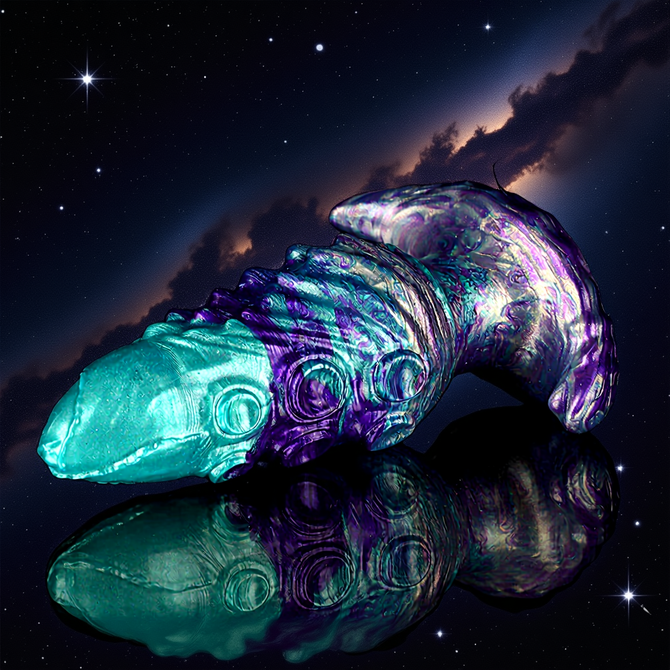
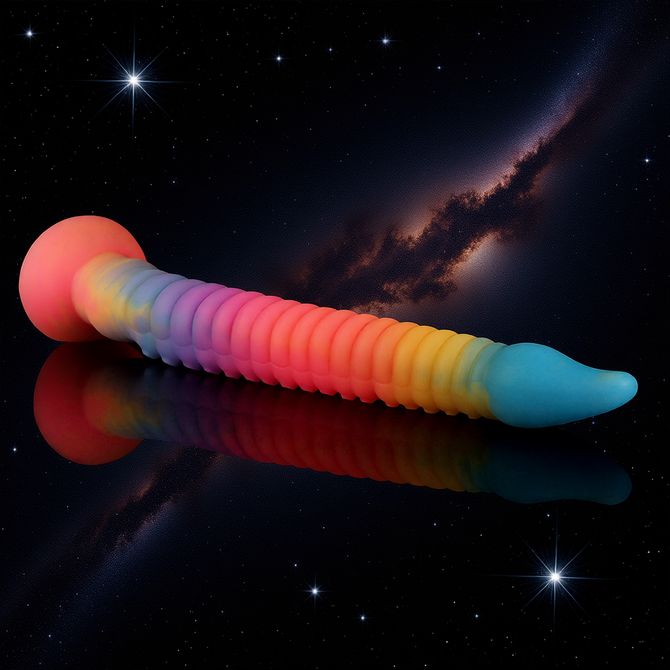
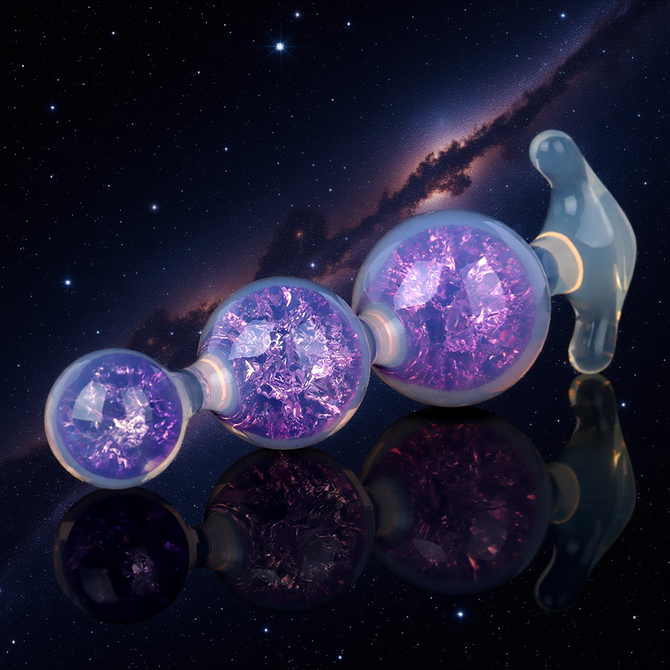
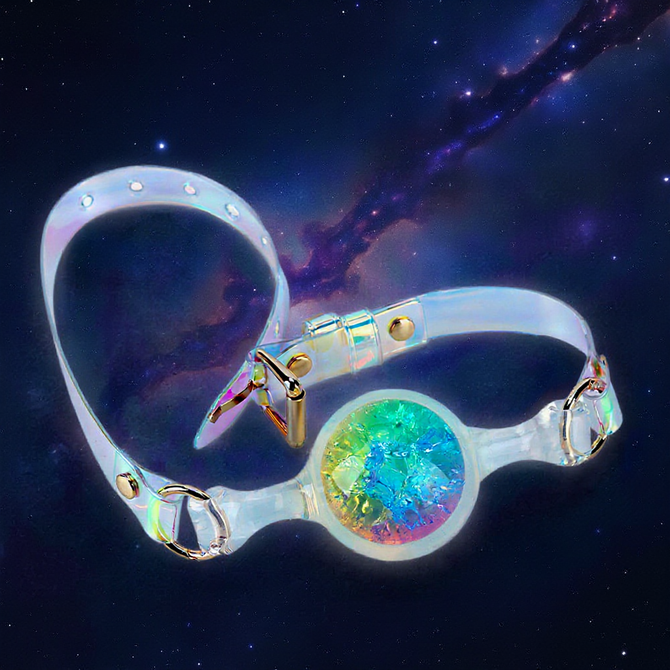
OMIREA's current Abyss collection includes powered products with different controls and water language. Keep each listing separate.
The OMIREA Abyss A890D listing displays IPX6 and also says the model is not designed for submersion. Read those statements together: the code describes a water-jet category, while the model instruction sets a clearer boundary against immersion. It does not establish that the remote, cable, or charger can get wet.
The OMIREA Abyss A797D listing displays IPX7, but different sections use broader and stricter wet-use wording. The label alone does not resolve that conflict, establish an IPX6 jet result, or extend to accessories. Until OMIREA supplies one model-specific instruction, use the stricter wording and ask for clarification.
These are examples of how to read first-party pages, not independent verification that either model was tested. A test report tied to the exact SKU, configuration, standard version, laboratory, and date would be stronger evidence than a marketing label alone.
Keep cleaning as a separate decision
A water rating does not tell you which soap or cleaner is compatible with the surface, whether a seam needs special attention, or how long the product should dry. Use the exact model instructions first, then consult OMIREA's cleaning and maintenance guide for broader material and storage context.
Travel creates another separate task: transport rules, battery handling, privacy, packing, destination laws, and storage do not follow from an IP rating. OMIREA's travel-friendly product guide covers that context.
Frequently asked questions
Does IPX6 mean a sex toy is waterproof?
“Waterproof” is too broad to be the decision. IPX6 represents a powerful-water-jet test category. It does not state an immersion result. Check the exact model instructions for the exposure you plan.
Can an IPX7 sex toy go in the bath?
IPX7 represents temporary immersion under specified test conditions, but the code alone does not authorize every bath scenario. Confirm the exact model, depth, duration, temperature, products added to the water, operating state, and aftercare instructions. If those details are absent or contradictory, pause and ask.
Does the X mean there is no dust protection?
No. The X means the solid-protection requirement or result is not stated in that code position. It should not be read as either a pass or a failure.
Does IPX7 automatically include IPX6?
No automatic conclusion should be made. Temporary immersion and powerful water jets create different physical exposures. Look for documentation that explicitly addresses each condition you need.
Is the remote waterproof when the toy is rated?
Not unless the remote has its own explicit documentation or is expressly included in the product's stated test configuration. Apply the same rule to cables, chargers, phones, and detachable parts.
What if the product page and manual disagree?
Use the stricter instruction, stop before the disputed exposure, and ask the seller or manufacturer to reconcile the documents for the exact model. Save the response with the model information rather than relying on a general collection claim.
The practical takeaway
For IPX6 vs IPX7 sex toy comparisons, translate the code narrowly: powerful water jets are not temporary immersion, and temporary immersion does not automatically prove a jet test. Then move from the code to the exact model, exposure, components, limits, drying, and charging instructions. When browsing the current OMIREA Abyss collection, treat a missing or conflicting instruction as a reason to ask—not a gap to fill with the word “waterproof.”

